


Understanding Psilocybin
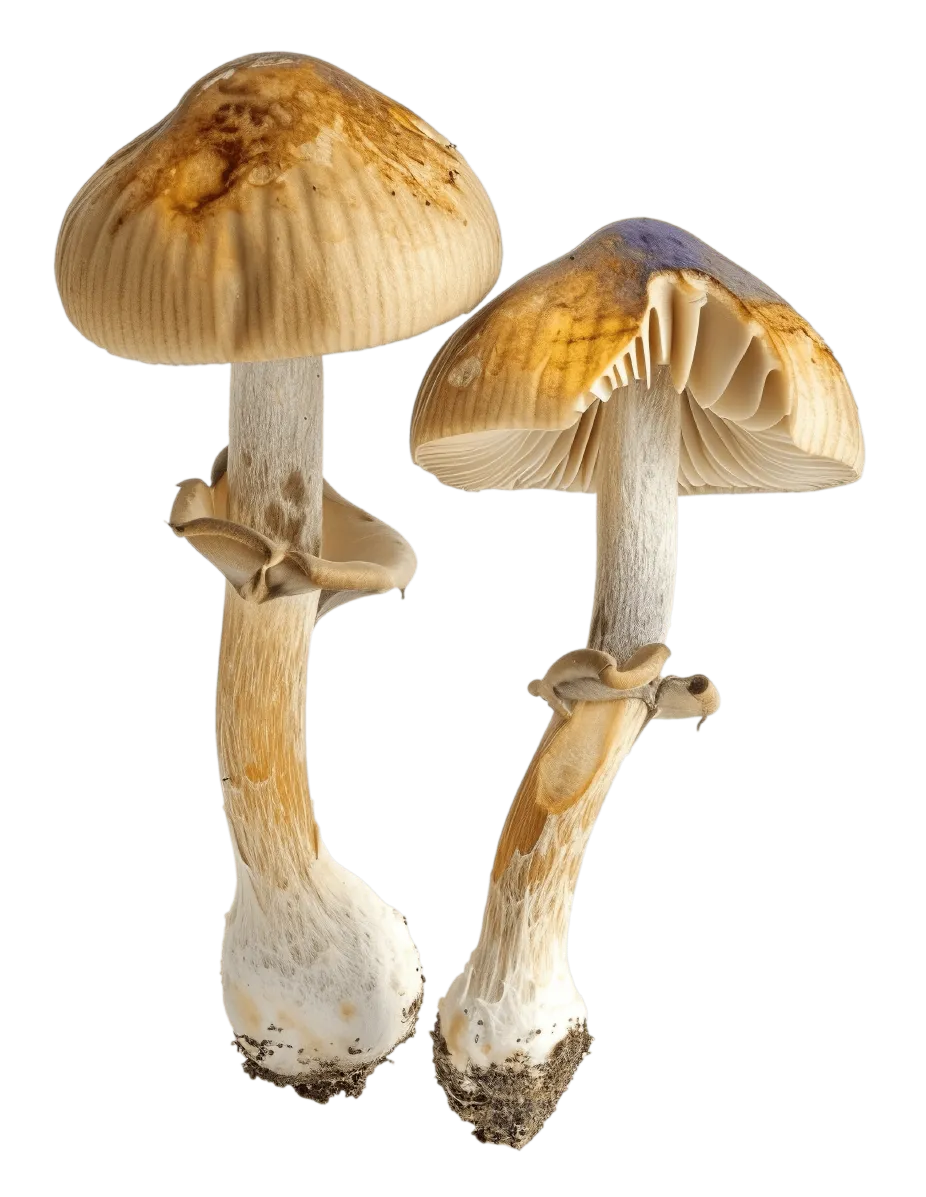
What Is Psilocybin?
Psilocybin is a naturally occurring psychedelic compound found in certain species of mushrooms. For thousands of years, it has been used in cultural, spiritual, and ceremonial practices. Today, it is being studied for its potential therapeutic benefits under controlled, clinical settings.
How Psilocybin Works
When consumed, psilocybin is converted into psilocin, which interacts with serotonin receptors in the brain. This interaction can temporarily alter perception, mood, sense of time, and thought patterns.
Commonly reported experiences include:
Heightened sensory awareness
Deep introspective thoughts
Altered visual or auditory perception
Emotional release or clarity
Effects vary significantly depending on mindset, environment, dosage, and individual sensitivity.
Potential Benefits
Growing evidence suggests that psilocybin, when used intentionally and responsibly, may support:
Emotional Well-Being
Reduced stress and elevated mood
Greater emotional resilience
Support in breaking repetitive negative thinking patterns
Mindfulness & Presence
Enhanced focus and introspection
Deepened sense of calm and clarity
Personal Growth
Expanded perspective
Greater connection to purpose, values, and gratitude
Creativity & Insight
Heightened imagination
Enhanced visual thinking
New perspectives on colors, patterns, and concepts
Note: Effects vary for each individual. This information is educational only and not medical advice.
Educational Resources
Explore trusted materials that can support your learning journey and deepen your understanding of psilocybin.
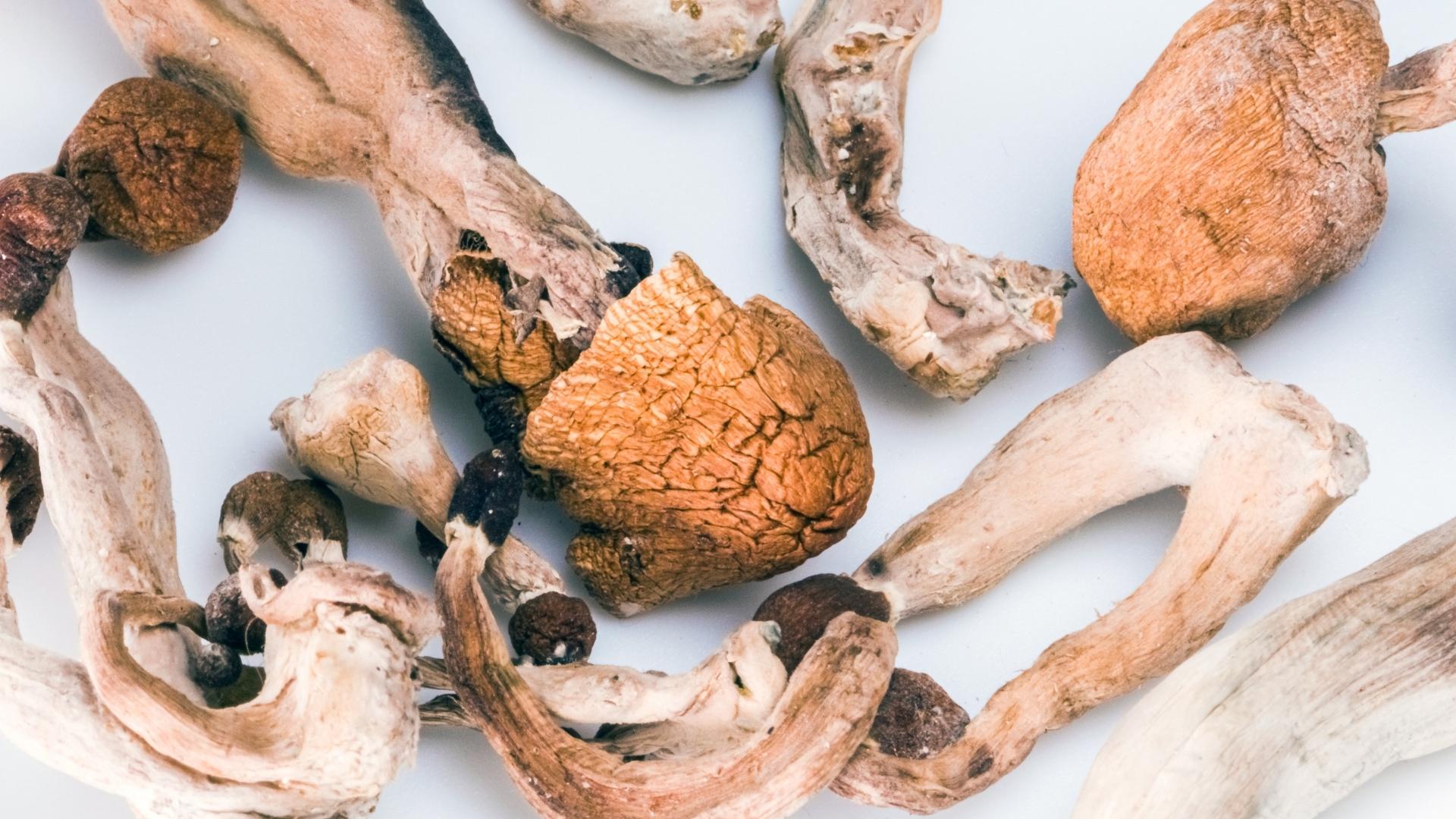
Growing evidence suggests that psilocybin, when used intentionally and responsibly, may support
In-depth conversations with experts, storytellers, and practitioners discussing the evolving world of psychedelics.
Evidence-informed psilocybin protocols, supported by research, historical context, and cultural understanding.
Locally Grown
Obtained from nearby producers
Easy Shipping
Convenient shipping process.

Accurate Dosages
Exact amounts in each dose.
Third Party Tested
Independently Verified for Quality
"Mushrooms Make You Better"
FOLLOW US


These statements have not been evaluated by the Food and Drug Administration. These products are not intended to diagnose, treat, cure, or prevent any diseases. You should consult a licensed health care professional before starting any supplement, dietary, or exercise program, especially if you are pregnant or have any pre-existing injuries or medical conditions.
Copyright 2025 PsyNode. All Rights Reserved.